Snow load is one of the most important structural considerations when designing a building in Idaho. Winter storms can bring significant snowfall, and buildings must be engineered to safely support the weight of accumulated snow and ice.
Local building codes establish minimum snow load requirements to ensure structures remain safe during severe winter weather. Understanding these requirements can help property owners, contractors, and developers plan buildings that meet code and perform reliably for years to come.
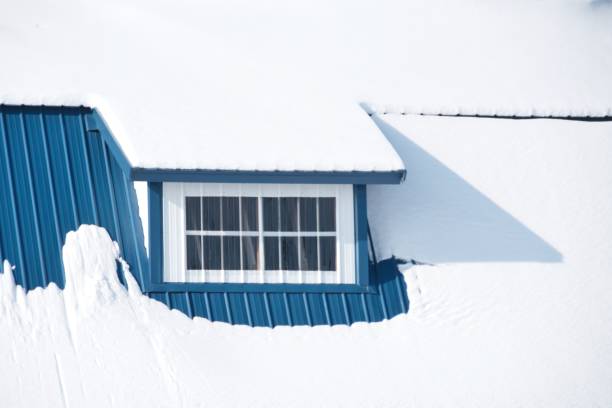
Snow load refers to the weight of snow and ice that accumulates on a roof, usually measured in pounds per square foot (PSF).
Engineers use this value to determine how strong the structural system must be. Snow load calculations help ensure that roof framing, columns, and foundations can safely support the expected weight during winter conditions.
Two primary types of snow loads are typically considered:
These values vary depending on climate, elevation, and geographic location.
Idaho has a wide range of climates and elevations, which means snow loads can vary dramatically across the state.
For example:
Because of this variation, structural engineers must evaluate the specific project location when determining the required snow load for a building.
Snow load requirements are established through building codes and local jurisdiction guidelines. Engineers use these codes along with historical weather data to determine appropriate structural design loads.
When a building is designed, engineers consider several factors including:
These calculations ensure the building can safely support snow accumulation during severe winter conditions.
Steel building systems are engineered to meet the structural requirements of the project location.
Rigid frame steel structures distribute loads throughout the frame and into the foundation. This allows the building to safely handle roof loads without concentrating stress in a single area.
Because steel building systems are custom engineered, they can be designed specifically to meet the snow load requirements of the project site.
This makes them a common choice for:
Snow does not always accumulate evenly on a roof. Wind can cause snow drifting, where snow piles up against walls, parapets, or adjacent structures.
Engineers must account for these potential drifts when designing the building. Roof slope, building shape, and nearby structures can all affect how snow accumulates.
Proper engineering ensures that these conditions are considered during the design process.
Because snow loads vary so much across Idaho, working with experienced professionals is essential when planning a new building.
Structural engineers evaluate the project location and apply the appropriate design loads to ensure the building meets local building codes and performs safely during winter weather.
A properly engineered building protects both the structure and the people who use it.
If you are planning a new agricultural, commercial, or industrial building, understanding snow load requirements is an important first step.
Steel Building Systems provides design, supply, and installation support for custom steel buildings throughout Idaho.
Contact our team to discuss your project and ensure your building is engineered for Idaho’s winter conditions.
We use cookies to improve your experience on our site. By using our site, you consent to cookies.
Manage your cookie preferences below:
Essential cookies enable basic functions and are necessary for the proper function of the website.