One of the most common questions property owners ask when planning a new building is: How much does a steel building cost? The answer depends on several factors including building size, structural design requirements, location, and project scope. While we can’t give an exact cost without project details, understanding the factors that impact building pricing can help customers develop realistic expectations. Steel building systems are widely used for agricultural, commercial, and industrial applications because they offer durability, flexibility, and efficient construction timelines.
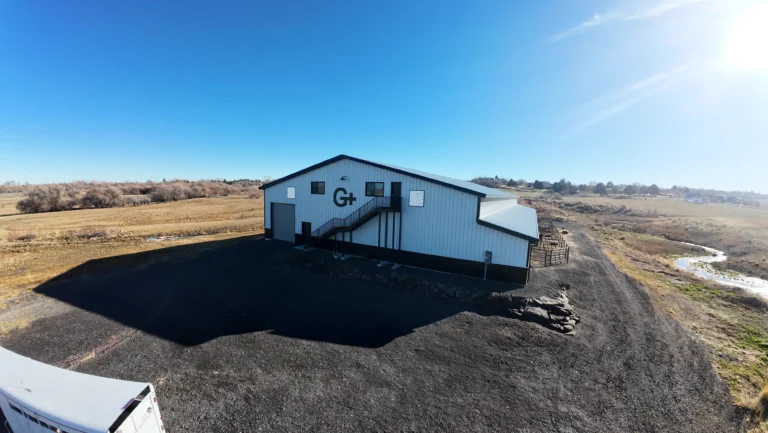
Steel building prices are often discussed in terms of cost per square foot, but this number can vary depending on the size and complexity of the project.
In general, larger buildings tend to have a lower cost per square foot because materials and fabrication costs are distributed over a larger structure. Smaller buildings may have higher per-square-foot costs due to manufacturing and transportation expenses.
However, the cost of a steel building system itself represents only one portion of the overall project cost.
Several variables influence the total cost of a steel building project.
The width, length, and height of the structure have a direct impact on material quantities and structural design. Buildings with a larger span will require heavier rafters and columns resulting in increased cost.
Buildings must be engineered to meet local snow load, wind load, and seismic requirements. In Idaho, snow loads can vary significantly depending on elevation and location.
Higher structural loads require heavier steel components and additional engineering.
The slope of the roof affects both material quantities and structural design. Buildings with steeper roof slopes generally require more steel and additional framing components.
Large overhead doors, windows, skylights, and other openings can influence both framing design and material cost.
Insulation packages vary depending on the building’s intended use. Climate control, condensation control, and energy efficiency requirements can all affect insulation choices.
Beyond the steel structure itself, several additional components contribute to the total project investment.
These can include:
Because these factors vary from project to project, the total cost of a building can differ significantly even if two buildings are similar in size.
Despite the many variables involved in construction projects, steel building systems often provide strong value compared to other construction methods.
Benefits include:
These advantages make steel building systems a smart choice for warehouses, equipment shops, agricultural facilities, and commercial buildings.
The best way to determine the cost of a steel building is through a project-specific estimate.
Providing basic information about your project helps suppliers and contractors develop accurate pricing. Helpful details include:
With this information, our building professionals can evaluate structural requirements and provide an estimate tailored to your project.
Steel buildings are a durable and flexible solution for many types of construction projects. When properly engineered and installed, they provide reliable performance for decades.
Steel Building Systems provides design, supply, and installation support for custom steel buildings across Idaho.
Contact our team to discuss your project and receive a project-specific quote.
We use cookies to improve your experience on our site. By using our site, you consent to cookies.
Manage your cookie preferences below:
Essential cookies enable basic functions and are necessary for the proper function of the website.